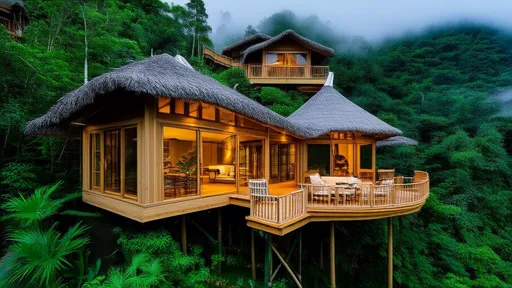
Nestled within China's diverse landscapes, from the misty bamboo forests of Moganshan to the tropical rainforests of Xishuangbanna, treehouse hotels are redefining luxury escapes for modern travelers. These elevated retreats offer more than just accommodation—they provide an immersive communion with nature, blending sustainable design with unparalleled serenity. The growing fascination with arboreal getaways reflects a deeper yearning to disconnect from urban chaos and reconnect with earth's primordial rhythms.
Moganshan, a mountainous retreat just a few hours from Shanghai, has emerged as an unexpected epicenter for treehouse hospitality. Here, architects have masterfully integrated structures into dense bamboo groves, creating cantilevered suites that hover like lanterns among the canopy. The Moganshan Treehouse Village exemplifies this ethos, featuring rooms wrapped around ancient camphor trees, where guests wake to sunlight filtering through leaves and the scent of damp earth. Floor-to-ceiling windows dissolve boundaries between interior and exterior, inviting red squirrels and songbirds to become part of the morning tableau. These designs prioritize minimal environmental impact, using reclaimed timber and rainwater harvesting systems that mirror the conservation ethos of the area's historic bamboo industry.
Venturing south, Fujian's mountainous regions reveal treehouses rooted in cultural heritage. The Fujian Earth Tower Tree Villas draw inspiration from UNESCO-listed tulou structures, translating their circular communal aesthetics into private canopy dwellings. Built alongside eight-hundred-year-old phoenix trees, these villas feature heated infinity pools that steam against misty backdrops, while interior courtyards harbor traditional tea ceremonies. What distinguishes these retreats is their symbiotic relationship with local Hakka communities—guests forage for wild mushrooms with village elders or learn ancient woodcraft techniques, transforming tourism into cultural exchange.
The journey culminates in Xishuangbanna, where tropical rainforests host some of Asia's most biologically diverse ecosystems. Here, Banna Sky Sanctuary elevates luxury to dizzying heights, with villas suspended forty meters above ground, accessible only by suspended rope bridges. The architecture embraces open-air concepts, where outdoor rainfall showers stand beside millennia-old strangler figs, and mesh walls allow phosphorescent fireflies to drift through bedrooms at night. Sustainability takes center stage: solar-powered cooling systems, composting toilets, and partnerships with botanical researchers who lead guests through conservation projects protecting endangered gibbons and hornbills. Beyond regional distinctions, these treehouses share a philosophical foundation—what industry pioneers call "conscious elevation." This extends beyond physical height to encompass heightened environmental awareness. Properties like Yunnan Canopy Lab operate on fully off-grid systems, while others incorporate biophilic design principles that reduce stress hormones through strategic exposure to natural patterns. Nightfall transforms experiences into sensory journeys: stargazing platforms equipped with telescopes, soundscapes of nocturnal wildlife, and teas crafted from canopy-grown herbs served around communal fire pits. The evolution of treehouse hospitality reflects broader shifts in travel preferences. Modern seekers prioritize transformative experiences over mere luxury—whether it's helping researchers track black-crested gibbons in Xishuangbanna or practicing canopy meditation in Moganshan. These habitats also serve as living laboratories for sustainable tourism, demonstrating how high-end accommodations can actively regenerate ecosystems rather than simply minimizing harm. As these aerial sanctuaries proliferate, they face delicate balancing acts: maintaining exclusivity while promoting accessibility, preserving wilderness while introducing infrastructure. The most successful projects achieve this through hyper-local collaborations, employing indigenous builders and sourcing materials within fifty-kilometer radii. Their ultimate magic lies not just in architectural wonder, but in rekindling childhood dreams of treetop kingdoms—now realized with ecological wisdom and profound respect for the ancient trees that grant their support.
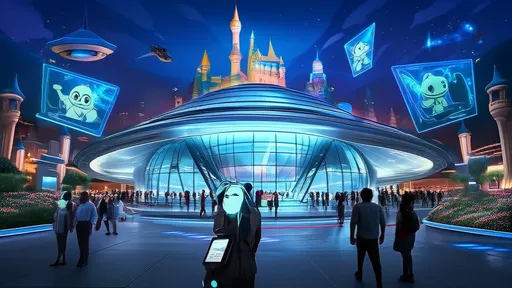
Shanghai Disneyland continues to redefine the theme park experience with an exciting lineup of new attractions and enhanced guest services set to debut in 2024. As the park evolves, visitors can look forward to immersive adventures, cutting-edge technology, and more efficient ways to enjoy their magical day. From groundbreaking rides to revamped digital systems, the updates promise to deliver unforgettable moments for families, thrill-seekers, and Disney enthusiasts alike.
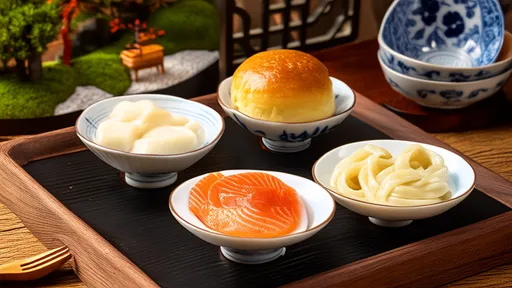
In the humid coastal regions of Chaoshan, where the South China Sea meets the Min River, a culinary tradition has thrived for centuries—one that celebrates the ocean’s freshness with almost reverential simplicity. This is the world of raw marinated seafood, a practice both beloved and, to the uninitiated, intimidating. To engage with it is to understand not just flavor, but a philosophy of eating that prizes texture, freshness, and timing above all else. For those looking to explore, a mindful approach is essential, transforming potential risk into unparalleled reward.
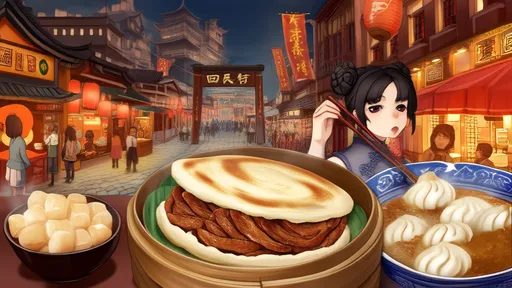
Stepping into Xi'an's Muslim Quarter feels like entering a living museum of culinary heritage, where the air hangs thick with the scent of sizzling lamb, baking bread, and aromatic spices. This historic neighborhood, centered around Beiyuanmen Street, has been the heart of Hui Muslim culture and cuisine for centuries, drawing both locals and travelers into its vibrant, chaotic embrace. Yet beneath the surface of its tourist-friendly facade lies a complex gastronomic landscape where truly exceptional eateries coexist with overpriced, mediocre stalls catering to undiscerning visitors. Finding the authentic gems requires more than just following the crowds—it demands local knowledge, historical context, and a willingness to venture beyond the obvious.
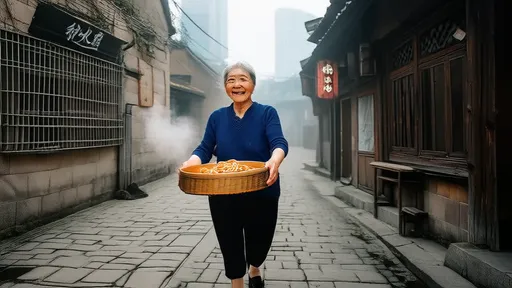
In the labyrinthine alleyways of Chengdu, far from the glossy facades of tourist restaurants, exists a parallel culinary universe known only to locals. These unassuming eateries, colloquially dubbed "fly restaurants" for their often humble appearances, hold the city's most authentic and soul-satisfying flavors. To truly understand Chengdu's food culture, one must venture beyond the guidebooks and follow the scent of simmering spices into the heart of residential neighborhoods, where generations of chefs have perfected their craft in spaces no larger than a closet.
In the heart of Guangdong's Pearl River Delta lies Shunde, a district whose name has become synonymous with culinary excellence. For decades, this region has been celebrated as the cradle of Cantonese cuisine, drawing food lovers from across the globe to savor its delicate flavors and masterful techniques. As we step into 2024, the gastronomic landscape of Shunde continues to evolve, blending time-honored traditions with innovative twists that captivate both purists and adventurous eaters alike. This year's essential eating guide unveils the must-try experiences that define Shunde's food scene, offering a fresh perspective on where to indulge in the dishes that make this destination unforgettable.
In the bustling urban landscapes of China's major cities, a quiet revolution in overnight accommodation has been steadily gaining momentum. Capsule hotels, once a novelty concept imported from Japan, have evolved into a practical and increasingly popular solution for travelers seeking affordable and convenient lodging near transportation hubs. These compact sleeping pods, clustered within walking distance of major railway stations, offer a unique blend of efficiency, comfort, and accessibility that caters to the needs of modern transit passengers.
In recent years, China has witnessed a remarkable transformation in its hospitality landscape, with a surge of design-driven hotels that offer more than just a place to sleep. These establishments blend architectural innovation, cultural storytelling, and personalized experiences, creating destinations worth traveling for. From repurposed historical buildings to avant-garde structures, these hotels redefine luxury through creativity and context.
The vast expanse of China's desert regions has long captivated astronomers and stargazers alike, with the Tengger Desert and Dunhuang emerging as two premier destinations for immersive celestial observation. Both locations offer unique advantages and atmospheric conditions that create distinctly different experiences under the same starry canopy. As more travelers seek remote destinations for astronomical tourism, understanding the nuances between these two sites becomes essential for planning the perfect stargazing adventure.
Stepping into the world of Japanese onsen ryokans offers more than just a stay—it’s an immersion into a tradition where hospitality, nature, and culinary art converge. The concept of "ichinichi-futahan," or "one night, two meals," is not merely a package deal; it is the heart of the ryokan experience, a carefully curated journey that engages all the senses and invites deep cultural appreciation.
Nestled within China's diverse landscapes, from the misty bamboo forests of Moganshan to the tropical rainforests of Xishuangbanna, treehouse hotels are redefining luxury escapes for modern travelers. These elevated retreats offer more than just accommodation—they provide an immersive communion with nature, blending sustainable design with unparalleled serenity. The growing fascination with arboreal getaways reflects a deeper yearning to disconnect from urban chaos and reconnect with earth's primordial rhythms.
Renting a car provides the freedom to explore at your own pace, whether you're on a business trip or a leisurely vacation. However, navigating the complexities of car rental insurance in China can be a daunting task for both locals and international travelers. Understanding the nuances of insurance policies is not just a recommendation—it's a necessity to protect yourself from unforeseen expenses and legal complications. This article delves deep into the landscape of domestic car rental insurance, clarifying key terms, coverage options, and practical strategies to make informed decisions.
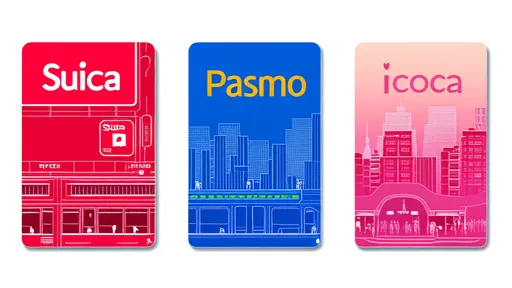
For travelers planning a trip to Japan, navigating the country's extensive and efficient public transportation system is a top priority. While the network of trains, subways, and buses is world-class, paying for each individual ride with cash or tickets can quickly become a cumbersome hassle. This is where Japan's rechargeable IC cards come into play, offering a seamless and convenient way to pay for transit across most of the country. Among the plethora of options available, three names consistently rise to the top: Suica, Pasmo, and Icoca. Though functionally nearly identical in their core use, each card has its own unique history, design, and regional stronghold, leading to a friendly rivalry and much debate among frequent visitors about which is the "best" card to own.
Traveling across Europe by bus has become increasingly popular over the past decade, and FlixBus stands out as one of the most recognized and widely used services for both budget-conscious travelers and those seeking an eco-friendly alternative to flying. With an extensive network covering thousands of destinations across the continent, FlixBus offers a convenient and affordable way to explore Europe’s diverse landscapes, cultures, and cities. Whether you're a student on a tight budget, a backpacker seeking adventure, or simply someone who prefers the scenic route, understanding how to book and make the most of your FlixBus journey can significantly enhance your travel experience.
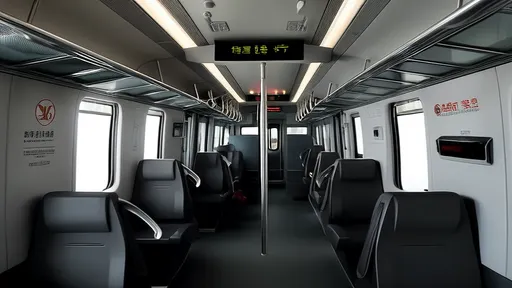
As dawn breaks over the railway network, a quiet revolution is unfolding in select carriages across China's high-speed rail system. The introduction of silent cars, designed for passengers seeking refuge from the typical auditory landscape of travel, has sparked both curiosity and debate among frequent travelers and industry observers alike. Over the past three months, our editorial team embarked on a comprehensive evaluation journey, boarding twelve different high-speed trains operating across major corridors to assess the real-world efficacy of these designated quiet zones.
As the travel industry continues to innovate, mystery flight boxes have evolved from a niche curiosity to a mainstream offering embraced by airlines worldwide. The concept, which initially captured the imagination of spontaneous travelers with the promise of surprise destinations at unbeatable prices, has undergone significant refinement. In 2024, the landscape of these blind booking products is more diverse and competitive than ever, with carriers tailoring their offerings to cater to different traveler demographics, from budget backpackers to luxury seekers. This year's iterations showcase enhanced flexibility, broader destination pools, and more transparent terms, reflecting lessons learned from earlier versions and heightened consumer expectations in a post-pandemic travel era.