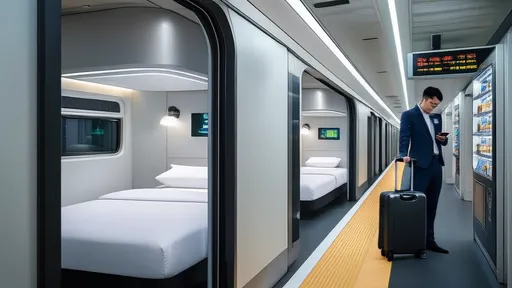
In the bustling urban landscapes of China's major cities, a quiet revolution in overnight accommodation has been steadily gaining momentum. Capsule hotels, once a novelty concept imported from Japan, have evolved into a practical and increasingly popular solution for travelers seeking affordable and convenient lodging near transportation hubs. These compact sleeping pods, clustered within walking distance of major railway stations, offer a unique blend of efficiency, comfort, and accessibility that caters to the needs of modern transit passengers.
The rise of capsule hotels in China reflects broader shifts in travel patterns and urban mobility. As intercity high-speed rail networks expand and domestic travel becomes more frequent, there is growing demand for flexible short-stay options. Business travelers catching early morning trains, backpackers on tight budgets, and families dealing with long layovers all find value in these space-efficient accommodations. Unlike traditional hotels that require lengthy check-in processes and substantial financial commitment, capsule hotels provide a streamlined experience focused purely on the essential need for rest.
Located within or adjacent to major railway stations, these establishments maximize convenience for travelers. The proximity to transportation centers means guests can literally roll their luggage from the platform to their sleeping pod within minutes. This eliminates the stress of navigating unfamiliar cities or dealing with traffic when exhausted after a long journey. The strategic positioning also allows travelers to make the most of their time, whether they're squeezing in a few hours of sleep before an early departure or needing a comfortable place to wait during an extended layover.
Despite their compact nature, capsule hotels offer surprisingly comprehensive amenities. Each pod typically includes a comfortable mattress, clean linens, climate control, reading lights, power outlets, and secure storage for personal belongings. The design prioritizes privacy without creating a claustrophobic environment, with many pods featuring ventilation systems, soundproofing, and adjustable lighting. Beyond the individual sleeping units, these establishments commonly provide shared facilities including clean bathrooms with showers, luggage storage areas, lounges with charging stations, and sometimes even small cafés or vending machines offering snacks and beverages.
The business model of capsule hotels aligns perfectly with the needs of contemporary Chinese travelers. By dramatically reducing spatial requirements compared to conventional hotels, operators can offer rates that are typically 30-50% lower than budget hotel alternatives. This affordability makes them particularly attractive to younger travelers, students, and cost-conscious business people. The pricing structure often includes flexible options, allowing guests to book pods for specific time blocks rather than full nights, which proves ideal for those needing just a few hours of rest between journeys.
Technology integration represents another significant advantage of modern capsule hotels. Many feature app-based booking systems, digital check-in kiosks, and smart pod controls accessible through personal devices. This technological sophistication reduces staffing requirements while providing guests with greater control over their environment. Travelers can adjust lighting temperature, set alarms, and even control entertainment options through integrated systems, all while maintaining the human touch through available staff assistance when needed.
Hygiene and security standards at these establishments have seen remarkable improvements since the concept first emerged in China. Following increased health consciousness among travelers, especially post-pandemic, operators have implemented rigorous cleaning protocols. Many use hospital-grade disinfectants, employ UV sterilization for bedding, and maintain strict air filtration systems. Security features typically include individual pod locking mechanisms, 24-hour surveillance, and secure access systems that ensure only registered guests can enter sleeping areas.
The social dimension of capsule hotels presents an interesting aspect of their appeal. While providing private sleeping spaces, the shared common areas create opportunities for brief social interactions among travelers. Lounges often become spontaneous networking spaces where business people exchange contacts or where solo travelers share tips about local attractions. This balanced approach to privacy and community interaction distinguishes capsule hotels from both traditional hostels and conventional hotels, creating a unique social environment that many modern travelers find appealing.
Environmental sustainability represents another compelling aspect of the capsule hotel model. The efficient use of space translates to reduced energy consumption per guest compared to standard hotel rooms. Many operators have incorporated eco-friendly practices such as water-saving fixtures, energy-efficient lighting, and waste reduction programs. Some establishments even use recycled materials in their construction and operation, appealing to environmentally conscious travelers who want to minimize their carbon footprint while traveling.
Looking toward the future, the capsule hotel industry in China continues to innovate. Newer installations experiment with pod designs that offer more standing room, incorporate workspace elements, or provide enhanced entertainment options. Some luxury-oriented versions feature premium mattresses, higher-quality amenities, and expanded service offerings while maintaining the fundamental space-efficient concept. As urban populations grow and transportation networks become increasingly integrated, these compact accommodations will likely play an even more significant role in China's hospitality landscape.
The success of capsule hotels near Chinese railway stations demonstrates how innovative accommodation solutions can effectively address evolving travel needs. By combining strategic location, technological integration, and smart design, these establishments provide practical answers to the challenges of modern urban mobility. They represent not just a place to sleep, but a thoughtfully designed travel experience that acknowledges the changing patterns of movement and rest in contemporary China. As more travelers discover their advantages, capsule hotels seem poised to become an enduring feature of China's urban hospitality ecosystem.
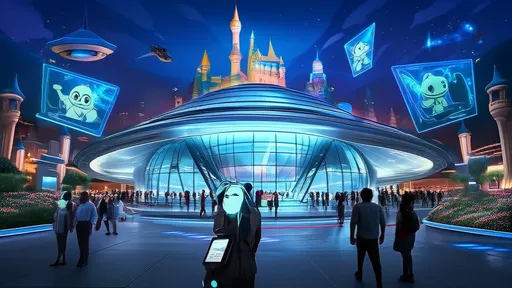
Shanghai Disneyland continues to redefine the theme park experience with an exciting lineup of new attractions and enhanced guest services set to debut in 2024. As the park evolves, visitors can look forward to immersive adventures, cutting-edge technology, and more efficient ways to enjoy their magical day. From groundbreaking rides to revamped digital systems, the updates promise to deliver unforgettable moments for families, thrill-seekers, and Disney enthusiasts alike.
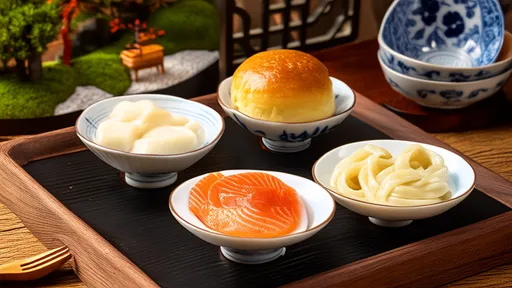
In the humid coastal regions of Chaoshan, where the South China Sea meets the Min River, a culinary tradition has thrived for centuries—one that celebrates the ocean’s freshness with almost reverential simplicity. This is the world of raw marinated seafood, a practice both beloved and, to the uninitiated, intimidating. To engage with it is to understand not just flavor, but a philosophy of eating that prizes texture, freshness, and timing above all else. For those looking to explore, a mindful approach is essential, transforming potential risk into unparalleled reward.
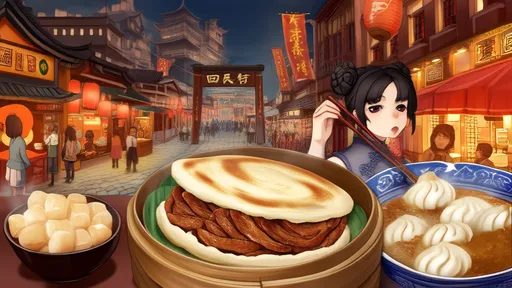
Stepping into Xi'an's Muslim Quarter feels like entering a living museum of culinary heritage, where the air hangs thick with the scent of sizzling lamb, baking bread, and aromatic spices. This historic neighborhood, centered around Beiyuanmen Street, has been the heart of Hui Muslim culture and cuisine for centuries, drawing both locals and travelers into its vibrant, chaotic embrace. Yet beneath the surface of its tourist-friendly facade lies a complex gastronomic landscape where truly exceptional eateries coexist with overpriced, mediocre stalls catering to undiscerning visitors. Finding the authentic gems requires more than just following the crowds—it demands local knowledge, historical context, and a willingness to venture beyond the obvious.
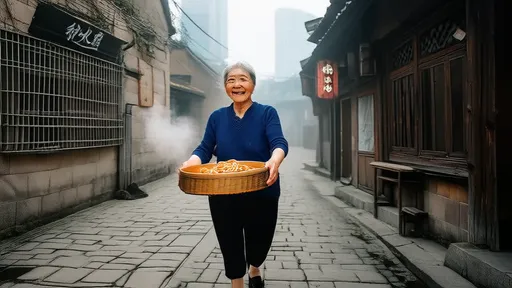
In the labyrinthine alleyways of Chengdu, far from the glossy facades of tourist restaurants, exists a parallel culinary universe known only to locals. These unassuming eateries, colloquially dubbed "fly restaurants" for their often humble appearances, hold the city's most authentic and soul-satisfying flavors. To truly understand Chengdu's food culture, one must venture beyond the guidebooks and follow the scent of simmering spices into the heart of residential neighborhoods, where generations of chefs have perfected their craft in spaces no larger than a closet.
In the heart of Guangdong's Pearl River Delta lies Shunde, a district whose name has become synonymous with culinary excellence. For decades, this region has been celebrated as the cradle of Cantonese cuisine, drawing food lovers from across the globe to savor its delicate flavors and masterful techniques. As we step into 2024, the gastronomic landscape of Shunde continues to evolve, blending time-honored traditions with innovative twists that captivate both purists and adventurous eaters alike. This year's essential eating guide unveils the must-try experiences that define Shunde's food scene, offering a fresh perspective on where to indulge in the dishes that make this destination unforgettable.
In the bustling urban landscapes of China's major cities, a quiet revolution in overnight accommodation has been steadily gaining momentum. Capsule hotels, once a novelty concept imported from Japan, have evolved into a practical and increasingly popular solution for travelers seeking affordable and convenient lodging near transportation hubs. These compact sleeping pods, clustered within walking distance of major railway stations, offer a unique blend of efficiency, comfort, and accessibility that caters to the needs of modern transit passengers.
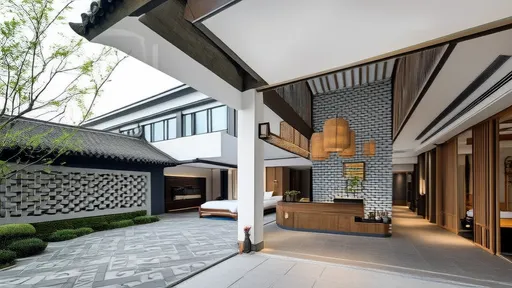
In recent years, China has witnessed a remarkable transformation in its hospitality landscape, with a surge of design-driven hotels that offer more than just a place to sleep. These establishments blend architectural innovation, cultural storytelling, and personalized experiences, creating destinations worth traveling for. From repurposed historical buildings to avant-garde structures, these hotels redefine luxury through creativity and context.
The vast expanse of China's desert regions has long captivated astronomers and stargazers alike, with the Tengger Desert and Dunhuang emerging as two premier destinations for immersive celestial observation. Both locations offer unique advantages and atmospheric conditions that create distinctly different experiences under the same starry canopy. As more travelers seek remote destinations for astronomical tourism, understanding the nuances between these two sites becomes essential for planning the perfect stargazing adventure.
Stepping into the world of Japanese onsen ryokans offers more than just a stay—it’s an immersion into a tradition where hospitality, nature, and culinary art converge. The concept of "ichinichi-futahan," or "one night, two meals," is not merely a package deal; it is the heart of the ryokan experience, a carefully curated journey that engages all the senses and invites deep cultural appreciation.
Nestled within China's diverse landscapes, from the misty bamboo forests of Moganshan to the tropical rainforests of Xishuangbanna, treehouse hotels are redefining luxury escapes for modern travelers. These elevated retreats offer more than just accommodation—they provide an immersive communion with nature, blending sustainable design with unparalleled serenity. The growing fascination with arboreal getaways reflects a deeper yearning to disconnect from urban chaos and reconnect with earth's primordial rhythms.
Renting a car provides the freedom to explore at your own pace, whether you're on a business trip or a leisurely vacation. However, navigating the complexities of car rental insurance in China can be a daunting task for both locals and international travelers. Understanding the nuances of insurance policies is not just a recommendation—it's a necessity to protect yourself from unforeseen expenses and legal complications. This article delves deep into the landscape of domestic car rental insurance, clarifying key terms, coverage options, and practical strategies to make informed decisions.
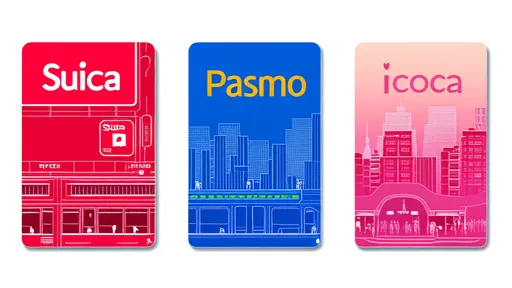
For travelers planning a trip to Japan, navigating the country's extensive and efficient public transportation system is a top priority. While the network of trains, subways, and buses is world-class, paying for each individual ride with cash or tickets can quickly become a cumbersome hassle. This is where Japan's rechargeable IC cards come into play, offering a seamless and convenient way to pay for transit across most of the country. Among the plethora of options available, three names consistently rise to the top: Suica, Pasmo, and Icoca. Though functionally nearly identical in their core use, each card has its own unique history, design, and regional stronghold, leading to a friendly rivalry and much debate among frequent visitors about which is the "best" card to own.
Traveling across Europe by bus has become increasingly popular over the past decade, and FlixBus stands out as one of the most recognized and widely used services for both budget-conscious travelers and those seeking an eco-friendly alternative to flying. With an extensive network covering thousands of destinations across the continent, FlixBus offers a convenient and affordable way to explore Europe’s diverse landscapes, cultures, and cities. Whether you're a student on a tight budget, a backpacker seeking adventure, or simply someone who prefers the scenic route, understanding how to book and make the most of your FlixBus journey can significantly enhance your travel experience.
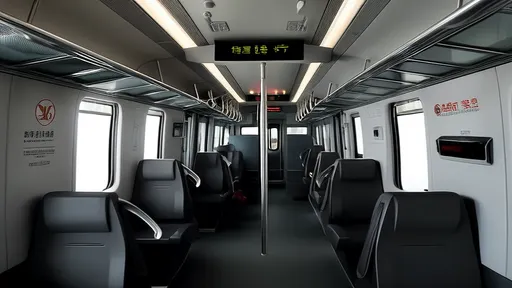
As dawn breaks over the railway network, a quiet revolution is unfolding in select carriages across China's high-speed rail system. The introduction of silent cars, designed for passengers seeking refuge from the typical auditory landscape of travel, has sparked both curiosity and debate among frequent travelers and industry observers alike. Over the past three months, our editorial team embarked on a comprehensive evaluation journey, boarding twelve different high-speed trains operating across major corridors to assess the real-world efficacy of these designated quiet zones.
As the travel industry continues to innovate, mystery flight boxes have evolved from a niche curiosity to a mainstream offering embraced by airlines worldwide. The concept, which initially captured the imagination of spontaneous travelers with the promise of surprise destinations at unbeatable prices, has undergone significant refinement. In 2024, the landscape of these blind booking products is more diverse and competitive than ever, with carriers tailoring their offerings to cater to different traveler demographics, from budget backpackers to luxury seekers. This year's iterations showcase enhanced flexibility, broader destination pools, and more transparent terms, reflecting lessons learned from earlier versions and heightened consumer expectations in a post-pandemic travel era.