In the quiet corners of libraries, the bustling floors of tech startups, and the focused atmosphere of university common rooms, a small, colorful object has become an unexpected symbol of cognitive harmony. The Rubik's Cube, a puzzle invented in 1974 by Hungarian sculptor and professor of architecture Ernő Rubik, has long transcended its status as a mere toy. It has evolved into a profound tool for understanding the intricate dance between spatial reasoning, pattern recognition, and the synchronized thinking required to conquer a complex, three-dimensional challenge.
On a sweltering summer afternoon, few things bring as much instant delight as a scoop of perfectly chilled ice cream. Yet, this fleeting joy is often cut short by a familiar, dripping disappointment. The phenomenon of ice cream melting, a source of minor culinary tragedy for centuries, is not merely a matter of temperature but a fascinating dance of physics and chemistry centered on a principle known as freezing point depression. This scientific concept transforms a simple mixture of cream, sugar, and flavorings into a complex, structured delight that is inherently unstable against the warmth of a summer day.
The celestial dome has long served as humanity's window to the cosmos, a architectural marvel that bridges terrestrial existence with celestial wonder. Modern planetariums have evolved from simple observation points to sophisticated theaters of astronomical education, where mathematical modeling transforms abstract cosmic principles into tangible visual experiences. The intricate dance of projecting accurate night skies onto domed surfaces represents one of the most fascinating applications of mathematical precision in public education, merging artistic vision with scientific rigor in ways that continue to captivate audiences worldwide.
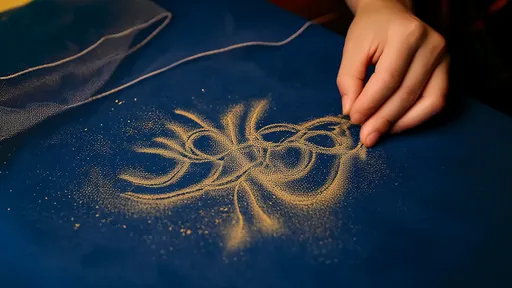
In the dimly lit theater, a lone artist stands before a glowing light table, hands hovering over a thin layer of fine sand. The audience holds its breath as fingers begin to dance—sweeping, flicking, tracing—transforming inert grains into living stories. This is sand animation: an ephemeral art form where narratives bloom and vanish in the same breath, where permanence surrenders to poetry.
In the quiet hum of modern kitchens, a revolution has been simmering—one powered not by flames but by microwaves. The concept of microwave cooking often conjures images of hastily reheated leftovers or soggy frozen meals, yet beneath this misunderstood reputation lies a sophisticated science of molecular vibration heating that is reshaping how we approach gourmet dining for two. This isn’t about convenience alone; it’s about unlocking flavors, textures, and culinary creativity through the precise manipulation of energy.
In the heart of the city stands an ancient clock tower, its face weathered by centuries yet still keeping impeccable time. The mechanism within is a masterpiece of engineering, a symphony of interlocking gears that dance in perfect harmony. For generations, this tower has not only measured the hours but also symbolized the relentless pursuit of precision in a world governed by chaos.
In the quiet corners of autumn, when the world sheds its summer skin, a delicate artistry emerges from the fallen leaves. The concept of Leaf Collage: A Natural Love Letter from Plant Veins captures more than just an aesthetic pursuit—it is a meditation on the ephemeral beauty of nature and the stories etched into every fragile surface. Each leaf, with its intricate network of veins, carries the whispers of seasons passed, the resilience of growth, and the gentle surrender to decay. This practice transforms what many consider debris into a canvas, where the language of nature is spelled out in hues of amber, crimson, and gold.
In the quiet space between two bodies moving as one, there is a conversation that transcends words. Partner yoga, an ancient practice reimagined for modern connection, is far more than a series of synchronized stretches. It is a dynamic laboratory of human interaction, a living equation where the variables of weight, balance, and momentum are solved not with numbers, but with trust. The theme of Partner Yoga: The Trust Equation of Body Mechanics delves into this intricate dance, exploring how the principles of physics and the nuances of psychology intertwine to create a practice that builds strength, flexibility, and profound relational bonds.
In the quiet predawn hours, when the world still slumbers beneath a blanket of stars, navigators of old would consult their most trusted companion: the magnetic compass. Its needle, dancing with an almost sentient grace, would eventually settle, pointing unerringly toward the magnetic north. For centuries, this simple yet profound instrument has guided explorers across trackless oceans, through dense, uncharted forests, and over vast, featureless deserts. It is a symbol of human ingenuity, a tool that harnesses the very heartbeat of the planet to show us the way. The relationship between the traveler and the compass is one of pure faith—a belief that the needle's whisper is truth.
Shanghai Disneyland continues to redefine the theme park experience with an exciting lineup of new attractions and enhanced guest services set to debut in 2024. As the park evolves, visitors can look forward to immersive adventures, cutting-edge technology, and more efficient ways to enjoy their magical day. From groundbreaking rides to revamped digital systems, the updates promise to deliver unforgettable moments for families, thrill-seekers, and Disney enthusiasts alike.
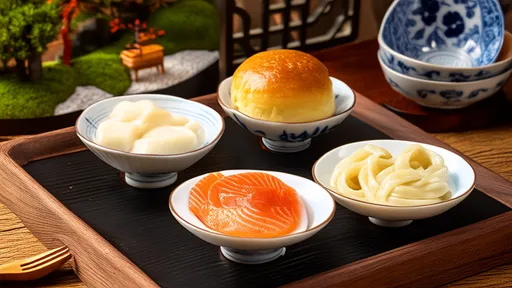
In the humid coastal regions of Chaoshan, where the South China Sea meets the Min River, a culinary tradition has thrived for centuries—one that celebrates the ocean’s freshness with almost reverential simplicity. This is the world of raw marinated seafood, a practice both beloved and, to the uninitiated, intimidating. To engage with it is to understand not just flavor, but a philosophy of eating that prizes texture, freshness, and timing above all else. For those looking to explore, a mindful approach is essential, transforming potential risk into unparalleled reward.
Stepping into Xi'an's Muslim Quarter feels like entering a living museum of culinary heritage, where the air hangs thick with the scent of sizzling lamb, baking bread, and aromatic spices. This historic neighborhood, centered around Beiyuanmen Street, has been the heart of Hui Muslim culture and cuisine for centuries, drawing both locals and travelers into its vibrant, chaotic embrace. Yet beneath the surface of its tourist-friendly facade lies a complex gastronomic landscape where truly exceptional eateries coexist with overpriced, mediocre stalls catering to undiscerning visitors. Finding the authentic gems requires more than just following the crowds—it demands local knowledge, historical context, and a willingness to venture beyond the obvious.
In the labyrinthine alleyways of Chengdu, far from the glossy facades of tourist restaurants, exists a parallel culinary universe known only to locals. These unassuming eateries, colloquially dubbed "fly restaurants" for their often humble appearances, hold the city's most authentic and soul-satisfying flavors. To truly understand Chengdu's food culture, one must venture beyond the guidebooks and follow the scent of simmering spices into the heart of residential neighborhoods, where generations of chefs have perfected their craft in spaces no larger than a closet.
In the heart of Guangdong's Pearl River Delta lies Shunde, a district whose name has become synonymous with culinary excellence. For decades, this region has been celebrated as the cradle of Cantonese cuisine, drawing food lovers from across the globe to savor its delicate flavors and masterful techniques. As we step into 2024, the gastronomic landscape of Shunde continues to evolve, blending time-honored traditions with innovative twists that captivate both purists and adventurous eaters alike. This year's essential eating guide unveils the must-try experiences that define Shunde's food scene, offering a fresh perspective on where to indulge in the dishes that make this destination unforgettable.
In the bustling urban landscapes of China's major cities, a quiet revolution in overnight accommodation has been steadily gaining momentum. Capsule hotels, once a novelty concept imported from Japan, have evolved into a practical and increasingly popular solution for travelers seeking affordable and convenient lodging near transportation hubs. These compact sleeping pods, clustered within walking distance of major railway stations, offer a unique blend of efficiency, comfort, and accessibility that caters to the needs of modern transit passengers.
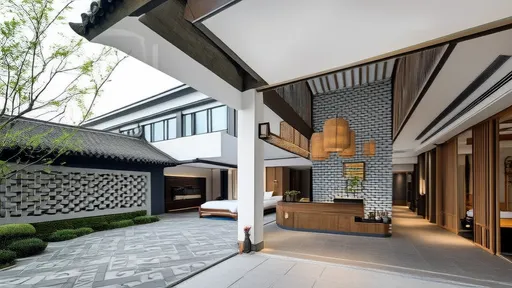
In recent years, China has witnessed a remarkable transformation in its hospitality landscape, with a surge of design-driven hotels that offer more than just a place to sleep. These establishments blend architectural innovation, cultural storytelling, and personalized experiences, creating destinations worth traveling for. From repurposed historical buildings to avant-garde structures, these hotels redefine luxury through creativity and context.
The vast expanse of China's desert regions has long captivated astronomers and stargazers alike, with the Tengger Desert and Dunhuang emerging as two premier destinations for immersive celestial observation. Both locations offer unique advantages and atmospheric conditions that create distinctly different experiences under the same starry canopy. As more travelers seek remote destinations for astronomical tourism, understanding the nuances between these two sites becomes essential for planning the perfect stargazing adventure.
Stepping into the world of Japanese onsen ryokans offers more than just a stay—it’s an immersion into a tradition where hospitality, nature, and culinary art converge. The concept of "ichinichi-futahan," or "one night, two meals," is not merely a package deal; it is the heart of the ryokan experience, a carefully curated journey that engages all the senses and invites deep cultural appreciation.
Nestled within China's diverse landscapes, from the misty bamboo forests of Moganshan to the tropical rainforests of Xishuangbanna, treehouse hotels are redefining luxury escapes for modern travelers. These elevated retreats offer more than just accommodation—they provide an immersive communion with nature, blending sustainable design with unparalleled serenity. The growing fascination with arboreal getaways reflects a deeper yearning to disconnect from urban chaos and reconnect with earth's primordial rhythms.
Renting a car provides the freedom to explore at your own pace, whether you're on a business trip or a leisurely vacation. However, navigating the complexities of car rental insurance in China can be a daunting task for both locals and international travelers. Understanding the nuances of insurance policies is not just a recommendation—it's a necessity to protect yourself from unforeseen expenses and legal complications. This article delves deep into the landscape of domestic car rental insurance, clarifying key terms, coverage options, and practical strategies to make informed decisions.
For travelers planning a trip to Japan, navigating the country's extensive and efficient public transportation system is a top priority. While the network of trains, subways, and buses is world-class, paying for each individual ride with cash or tickets can quickly become a cumbersome hassle. This is where Japan's rechargeable IC cards come into play, offering a seamless and convenient way to pay for transit across most of the country. Among the plethora of options available, three names consistently rise to the top: Suica, Pasmo, and Icoca. Though functionally nearly identical in their core use, each card has its own unique history, design, and regional stronghold, leading to a friendly rivalry and much debate among frequent visitors about which is the "best" card to own.
Traveling across Europe by bus has become increasingly popular over the past decade, and FlixBus stands out as one of the most recognized and widely used services for both budget-conscious travelers and those seeking an eco-friendly alternative to flying. With an extensive network covering thousands of destinations across the continent, FlixBus offers a convenient and affordable way to explore Europe’s diverse landscapes, cultures, and cities. Whether you're a student on a tight budget, a backpacker seeking adventure, or simply someone who prefers the scenic route, understanding how to book and make the most of your FlixBus journey can significantly enhance your travel experience.
As dawn breaks over the railway network, a quiet revolution is unfolding in select carriages across China's high-speed rail system. The introduction of silent cars, designed for passengers seeking refuge from the typical auditory landscape of travel, has sparked both curiosity and debate among frequent travelers and industry observers alike. Over the past three months, our editorial team embarked on a comprehensive evaluation journey, boarding twelve different high-speed trains operating across major corridors to assess the real-world efficacy of these designated quiet zones.
As the travel industry continues to innovate, mystery flight boxes have evolved from a niche curiosity to a mainstream offering embraced by airlines worldwide. The concept, which initially captured the imagination of spontaneous travelers with the promise of surprise destinations at unbeatable prices, has undergone significant refinement. In 2024, the landscape of these blind booking products is more diverse and competitive than ever, with carriers tailoring their offerings to cater to different traveler demographics, from budget backpackers to luxury seekers. This year's iterations showcase enhanced flexibility, broader destination pools, and more transparent terms, reflecting lessons learned from earlier versions and heightened consumer expectations in a post-pandemic travel era.
In the dimly lit back room of an unassuming boutique in downtown London, a forensic expert kneels beside a bloodstained cashmere scarf, inhaling deeply. This isn't some macabre ritual—it's the cutting edge of crime scene investigation. The newly launched Scent Forensics Unit at Harrod's flagship store has pioneered an olfactory investigation technique that's rewriting the rules of retail security.
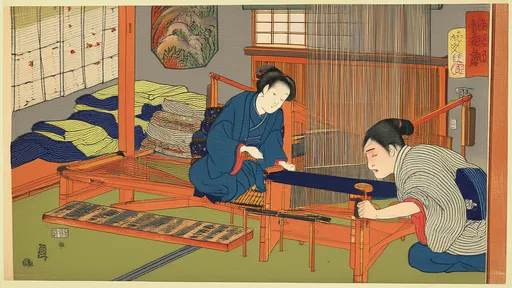
The rhythmic clatter of wooden looms once echoed through Kyoto's Nishijin district like a heartbeat, a sound woven into the city's cultural DNA for over twelve centuries. But these days, the heartbeat grows faint. Nishijin's legendary brocade – the dazzling Nishijin-ori textiles that adorned samurai and graced imperial courts – faces an existential crisis far more complex than any economic downturn. The real threat lies in a generational gamble unfolding in quiet weaving workshops: an aging master weaver glances at his empty tea cup, wondering if his intricate craft will die with him.
The cobbled streets of Italy’s historic shoemaking districts have long echoed with the rhythmic tapping of hammers and the quiet hum of artisans at work. For generations, the country’s shoemakers have prided themselves on crafting footwear by hand, each stitch and cut a testament to centuries of tradition. Yet today, that legacy faces an existential threat—not from globalization or fast fashion, but from an unexpected disruptor: 3D printing.
The narrow alleys of Jaipur’s old quarter hum with the rhythmic tapping of wooden blocks dipped in dye. For generations, artisans have practiced the ancient art of bandhani, the traditional Indian tie-dye technique that transforms plain fabric into intricate patterns. Yet today, the vibrant hues that once flowed from natural indigo, pomegranate peel, and turmeric are increasingly replaced by the synthetic blues and reds of chemical vats. This shift marks more than a change in materials—it threatens to unravel a cultural legacy woven into the very fabric of India’s identity.
The Scottish tartan, with its vibrant crisscrossing lines and rich hues, has long been a symbol of cultural identity and heritage. Yet beneath its colorful surface lies a simmering legal and ethical debate: when does the adoption of tartan patterns by global fashion houses and commercial entities cross the line from appreciation to appropriation? The so-called "Tartan Wars" have ignited discussions far beyond the Highlands, challenging legal frameworks and cultural sensitivities alike.
The fashion industry has long been synonymous with luxury, creativity, and opulence. Yet, beneath the shimmering surfaces of haute couture runways and glossy magazine spreads lies a darker narrative—one that involves the alarming decline of avian species due to the demand for exotic feathers. As conservationists sound the alarm on the irreversible damage caused by feather harvesting, the tension between high fashion and endangered species protection has reached a critical point.
In the intricate dance of power and perception, few accessories speak as loudly as the necklace. From the boardrooms of Manhattan to the royal courts of Europe, the length of a necklace has long been observed as a subtle yet potent indicator of authority. This unspoken sartorial code – what style insiders now call The Game of Necklaces: The Length Equals Power Rule – reveals how centimeters can translate into commanding presence.
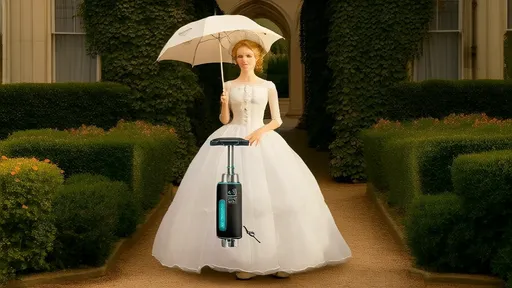
The fashion industry has always been a realm of illusion, where silhouettes are sculpted not just by fabric but by carefully engineered structures beneath. Among these hidden architectures, the volumetric fraud of inflatable skirt supports—cloaked in what designers coyly term "invisible technology"—has emerged as one of the most intriguing (and quietly controversial) innovations in contemporary couture. What began as a whimsical experiment in avant-garde ateliers has now infiltrated mainstream retail, leaving consumers and critics alike to grapple with the literal and metaphorical air at the heart of modern dressing.
The concept of a capsule wardrobe has taken the fashion world by storm, offering a minimalist approach to style without sacrificing versatility. At its core, the idea revolves around owning fewer pieces that can be mixed and matched to create multiple outfits. But what happens when you push this philosophy to its absolute limit? Imagine having just two key items and making them work for seven days straight. It sounds impossible, yet with the right pieces and a dash of creativity, it’s entirely achievable.
The intersection of athletic wear and formal attire has long been a sartorial tightrope walk, but the recent trend of pairing basketball shorts with tailored blazers has emerged as a surprisingly viable hybrid. This unlikely marriage of comfort and sophistication challenges traditional dress codes while offering a fresh perspective on contemporary menswear. As workplaces relax their sartorial standards and streetwear continues to influence high fashion, this bold combination has gained traction among style-forward professionals and creatives alike.
The art of layering has long been a sartorial strategy for those who value both style and practicality. In the realm of fashion, mastering the five-layer challenge—from base garments to outerwear—requires a delicate balance between aesthetics and functionality. This nuanced approach to dressing isn't merely about piling on clothes; it's about creating harmony among textures, weights, and silhouettes while maintaining comfort throughout the day.
The world of denim has entered a new era of preservation and innovation with the launch of the Denim Jacket Gene Bank, an ambitious project dedicated to digitally archiving a century's worth of iconic jacket silhouettes. This groundbreaking initiative combines fashion history with cutting-edge technology, creating a living library that documents the evolution of denim outerwear from its workwear origins to its current status as a cultural symbol.
Fashion has always been about self-expression, but rarely has it ventured into the realm of true adaptability—until now. The latest innovation in women's apparel, the magnetic hemline adjustment for little black dresses (LBDs), is redefining versatility in wardrobe staples. This groundbreaking design allows wearers to modify their dress length effortlessly, transitioning from a daring mini to an elegant midi or even a sophisticated maxi with a simple magnetic clasp system. It’s not just a dress; it’s a chameleon that adapts to the wearer’s mood, occasion, and personal style.
The fashion industry has long been associated with aesthetics and self-expression, but a groundbreaking innovation is set to redefine the very purpose of outerwear. A revolutionary trench coat, embedded with an advanced drone defense system, is making waves in both tech and fashion circles. This isn’t just a garment—it’s a wearable shield designed for the modern world, where personal security meets cutting-edge technology.
The crisp white shirt has long been the uniform of corporate conformity – a sartorial symbol of professionalism that transcends industries and continents. But in boardrooms from Manhattan to Milan, a quiet revolution is unfolding as avant-garde designers and rebellious professionals reinterpret this workplace staple through the lens of asymmetric cutting.