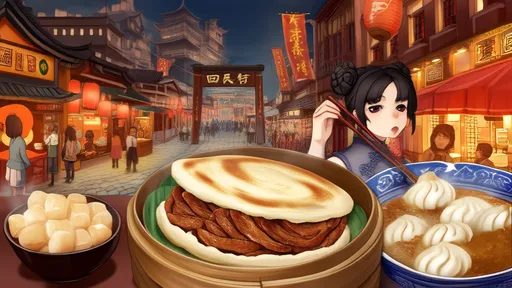
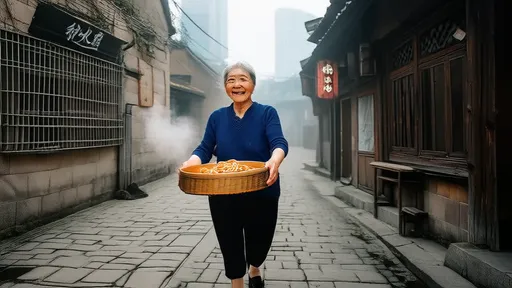
Stepping into Xi'an's Muslim Quarter feels like entering a living museum of culinary heritage, where the air hangs thick with the scent of sizzling lamb, baking bread, and aromatic spices. This historic neighborhood, centered around Beiyuanmen Street, has been the heart of Hui Muslim culture and cuisine for centuries, drawing both locals and travelers into its vibrant, chaotic embrace. Yet beneath the surface of its tourist-friendly facade lies a complex gastronomic landscape where truly exceptional eateries coexist with overpriced, mediocre stalls catering to undiscerning visitors. Finding the authentic gems requires more than just following the crowds—it demands local knowledge, historical context, and a willingness to venture beyond the obvious.
The challenge for any visitor is distinguishing time-honored establishments from clever imitators. Many shops display signs claiming century-old brand or old flavor, but only a handful genuinely deserve these titles. True legacy businesses here aren't necessarily the flashiest or most prominently positioned; often, they're tucked away in quieter sections or recognizable by the queues of local regulars who've been patronizing them for generations. These establishments maintain their reputation through consistency, traditional techniques, and uncompromising quality rather than aggressive marketing or modern innovations.
One cannot discuss the Muslim Quarter without mentioning Jia San Guan Tang Bao, an institution that has perfected the art of soup dumplings. Unlike the more famous Jiangnan-style xiaolongbao, these northwestern counterparts feature thicker wrappers that encase rich, lamb-based broth and tender meat. The dining experience here is rustic and straightforward—customers squeeze around communal tables, savoring each dumpling carefully to avoid spilling the precious soup. What sets Jia San apart is their adherence to using freshly ground lamb from specific cuts, simmered for hours with secret spice blends that include cardamom and cumin. Their vinegar and chili oil, served in unmarked ceramic jars, provide the perfect acidic counterpoint to the dumplings' richness.
Another cornerstone of the quarter's culinary identity is Lao Mi Jia Pao Mo, specializing in yangrou paomo, arguably Xi'an's most iconic dish. This hearty lamb stew requires diners to tear flatbread into tiny pieces before servers add broth and meat. While numerous restaurants offer paomo, Lao Mi Jia's version stands out for its complex, clear broth—simmered for over twelve hours using aged mutton bones—and the quality of their mo bread, which maintains perfect texture when soaked. Regulars know to arrive before the lunch rush and request extra tendon or offal for added depth. The establishment's refusal to use MSG or commercial stock bases has earned them loyal patronage despite higher prices.
For those with a sweet tooth, Gao Jia Persimmon Cakes represents a vanishing tradition. These pan-fried pastries combine sweet persimmon pulp with flour to create crispy exteriors giving way to jam-like interiors. The Gao family has operated their tiny storefront for four generations, still using copper pans passed down from their ancestors and sourcing persimmons from specific trees in Lintong County. Their limited daily output means they often sell out by mid-afternoon, a testament to both quality and their resistance to scaling production. Unlike newer vendors who add artificial sweeteners, Gao Jia's cakes rely solely on fruit ripeness for sweetness, resulting in a more nuanced flavor profile.
Savory snack seekers shouldn't miss Ma Hong Xiao Chao Pao Mo, a humble spot renowned for its xiao chao paomo—a drier, stir-fried version of the traditional soup. Chef Ma Hong developed his technique working in state-owned restaurants during the 1980s before opening his own place. His wok-hei (breath of the wok) technique is legendary, achieving perfect caramelization on the bread chunks while keeping lamb tender. The addition of green peppers, garlic sprouts, and homemade pickles provides brightness against the dish's richness. Regulars often pair it with suannai, a slightly effervescent yogurt drink that cleanses the palate.
Beyond these well-known categories lies Ba Xian Sheng's Eight Treasure Rose Cake, a dessert that traces its origins to Tang Dynasty imperial kitchens. This steamed rice cake incorporates eight precious ingredients including goji berries, lotus seeds, and rose petal jam, creating a fragrant, subtly sweet treat. Ba Xian Sheng himself, now in his seventies, still supervises the soaking of glutinous rice each morning and insists on using roses harvested from the family garden. The cakes are steamed in bamboo baskets over wood fire, imparting a smoky nuance impossible to replicate with modern equipment. His refusal to automate the process limits output but preserves a texture and aroma that mass-produced versions completely lack.
Navigating the quarter's meat skewers requires particular discernment. While countless vendors grill lamb kebabs over open flames, Wang Ji's Skewers distinguishes itself through meat selection and marination. They use only grass-fed lambs from Ningxia, hand-cutting shoulder meat to ensure consistent fat distribution. Their marinade—a closely guarded family recipe featuring Szechuan peppercorns, cumin, and chili flakes—is applied hours in advance rather than sprinkled on during grilling. The result is meat that remains juicy inside while developing a crisp, flavorful crust. Their off-menu items like grilled lamb liver and kidney cater to connoisseurs seeking stronger flavors.
Beyond individual establishments, understanding the quarter's rhythm enhances the experience. Mornings bring older residents shopping for fresh ingredients and traditional breakfasts like huhu soup (a peppery broth with dough strips). Midday sees tourist crowds peak, making it ideal to visit smaller alleys where locals eat. Evenings transform the area into a festive night market, but the wisest food lovers return around 3-4 PM when lunch crowds have dispersed but dinner service hasn't begun. This timing often allows for more interaction with owners who take pride in explaining their craft to genuinely interested visitors.
Authenticity here isn't just about taste—it's deeply connected to cultural preservation. Many legacy businesses face pressure to cut corners, expand rapidly, or cater to simplified tourist palates. Those resisting these pressures often do so at significant financial cost, relying on regular customers who appreciate their commitment. Supporting these establishments helps sustain not just businesses but intangible cultural heritage: hand-pulled noodle techniques that take decades to master, fermentation knowledge passed through generations, and the maintenance of halal standards that define Hui Muslim cuisine.
Ultimately, the Muslim Quarter's true magic lies in this interplay between history and modernity, tourism and local life. The most rewarding approach involves embracing curiosity over convenience—peeking into quieter courtyards, observing where elderly residents choose to eat, and being willing to try dishes that might initially seem unfamiliar. Beyond the main thoroughfares, smaller lanes like Xiyangshi offer glimpses of everyday life and family-run spots less concerned with tourist appeal. Here, you might find grandmothers making jiaozi by hand or small bakeries producing traditional sweets without English signs or aggressive touting.
What makes these old establishments truly special isn't merely their longevity but their unwavering dedication to craft in a changing city. They serve as living repositories of flavor memories, connecting contemporary diners to Tang Dynasty spice routes, Ming Dynasty cooking methods, and Qing Dynasty trade networks that originally shaped this cuisine. Each bowl of paomo, each persimmon cake, each skewer tells a story not just of family tradition but of Xi'an's history as a cultural crossroads. To eat at these places is to participate in that story—one delicious bite at a time.
Shanghai Disneyland continues to redefine the theme park experience with an exciting lineup of new attractions and enhanced guest services set to debut in 2024. As the park evolves, visitors can look forward to immersive adventures, cutting-edge technology, and more efficient ways to enjoy their magical day. From groundbreaking rides to revamped digital systems, the updates promise to deliver unforgettable moments for families, thrill-seekers, and Disney enthusiasts alike.
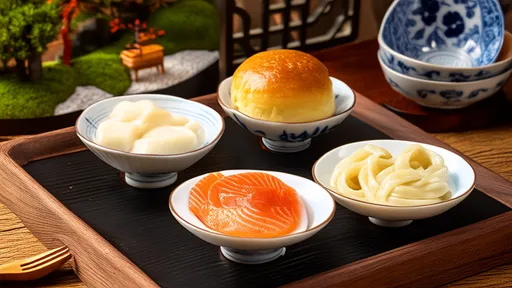
In the humid coastal regions of Chaoshan, where the South China Sea meets the Min River, a culinary tradition has thrived for centuries—one that celebrates the ocean’s freshness with almost reverential simplicity. This is the world of raw marinated seafood, a practice both beloved and, to the uninitiated, intimidating. To engage with it is to understand not just flavor, but a philosophy of eating that prizes texture, freshness, and timing above all else. For those looking to explore, a mindful approach is essential, transforming potential risk into unparalleled reward.
Stepping into Xi'an's Muslim Quarter feels like entering a living museum of culinary heritage, where the air hangs thick with the scent of sizzling lamb, baking bread, and aromatic spices. This historic neighborhood, centered around Beiyuanmen Street, has been the heart of Hui Muslim culture and cuisine for centuries, drawing both locals and travelers into its vibrant, chaotic embrace. Yet beneath the surface of its tourist-friendly facade lies a complex gastronomic landscape where truly exceptional eateries coexist with overpriced, mediocre stalls catering to undiscerning visitors. Finding the authentic gems requires more than just following the crowds—it demands local knowledge, historical context, and a willingness to venture beyond the obvious.
In the labyrinthine alleyways of Chengdu, far from the glossy facades of tourist restaurants, exists a parallel culinary universe known only to locals. These unassuming eateries, colloquially dubbed "fly restaurants" for their often humble appearances, hold the city's most authentic and soul-satisfying flavors. To truly understand Chengdu's food culture, one must venture beyond the guidebooks and follow the scent of simmering spices into the heart of residential neighborhoods, where generations of chefs have perfected their craft in spaces no larger than a closet.
In the heart of Guangdong's Pearl River Delta lies Shunde, a district whose name has become synonymous with culinary excellence. For decades, this region has been celebrated as the cradle of Cantonese cuisine, drawing food lovers from across the globe to savor its delicate flavors and masterful techniques. As we step into 2024, the gastronomic landscape of Shunde continues to evolve, blending time-honored traditions with innovative twists that captivate both purists and adventurous eaters alike. This year's essential eating guide unveils the must-try experiences that define Shunde's food scene, offering a fresh perspective on where to indulge in the dishes that make this destination unforgettable.
In the bustling urban landscapes of China's major cities, a quiet revolution in overnight accommodation has been steadily gaining momentum. Capsule hotels, once a novelty concept imported from Japan, have evolved into a practical and increasingly popular solution for travelers seeking affordable and convenient lodging near transportation hubs. These compact sleeping pods, clustered within walking distance of major railway stations, offer a unique blend of efficiency, comfort, and accessibility that caters to the needs of modern transit passengers.
In recent years, China has witnessed a remarkable transformation in its hospitality landscape, with a surge of design-driven hotels that offer more than just a place to sleep. These establishments blend architectural innovation, cultural storytelling, and personalized experiences, creating destinations worth traveling for. From repurposed historical buildings to avant-garde structures, these hotels redefine luxury through creativity and context.
The vast expanse of China's desert regions has long captivated astronomers and stargazers alike, with the Tengger Desert and Dunhuang emerging as two premier destinations for immersive celestial observation. Both locations offer unique advantages and atmospheric conditions that create distinctly different experiences under the same starry canopy. As more travelers seek remote destinations for astronomical tourism, understanding the nuances between these two sites becomes essential for planning the perfect stargazing adventure.
Stepping into the world of Japanese onsen ryokans offers more than just a stay—it’s an immersion into a tradition where hospitality, nature, and culinary art converge. The concept of "ichinichi-futahan," or "one night, two meals," is not merely a package deal; it is the heart of the ryokan experience, a carefully curated journey that engages all the senses and invites deep cultural appreciation.
Nestled within China's diverse landscapes, from the misty bamboo forests of Moganshan to the tropical rainforests of Xishuangbanna, treehouse hotels are redefining luxury escapes for modern travelers. These elevated retreats offer more than just accommodation—they provide an immersive communion with nature, blending sustainable design with unparalleled serenity. The growing fascination with arboreal getaways reflects a deeper yearning to disconnect from urban chaos and reconnect with earth's primordial rhythms.
Renting a car provides the freedom to explore at your own pace, whether you're on a business trip or a leisurely vacation. However, navigating the complexities of car rental insurance in China can be a daunting task for both locals and international travelers. Understanding the nuances of insurance policies is not just a recommendation—it's a necessity to protect yourself from unforeseen expenses and legal complications. This article delves deep into the landscape of domestic car rental insurance, clarifying key terms, coverage options, and practical strategies to make informed decisions.
For travelers planning a trip to Japan, navigating the country's extensive and efficient public transportation system is a top priority. While the network of trains, subways, and buses is world-class, paying for each individual ride with cash or tickets can quickly become a cumbersome hassle. This is where Japan's rechargeable IC cards come into play, offering a seamless and convenient way to pay for transit across most of the country. Among the plethora of options available, three names consistently rise to the top: Suica, Pasmo, and Icoca. Though functionally nearly identical in their core use, each card has its own unique history, design, and regional stronghold, leading to a friendly rivalry and much debate among frequent visitors about which is the "best" card to own.
Traveling across Europe by bus has become increasingly popular over the past decade, and FlixBus stands out as one of the most recognized and widely used services for both budget-conscious travelers and those seeking an eco-friendly alternative to flying. With an extensive network covering thousands of destinations across the continent, FlixBus offers a convenient and affordable way to explore Europe’s diverse landscapes, cultures, and cities. Whether you're a student on a tight budget, a backpacker seeking adventure, or simply someone who prefers the scenic route, understanding how to book and make the most of your FlixBus journey can significantly enhance your travel experience.
As dawn breaks over the railway network, a quiet revolution is unfolding in select carriages across China's high-speed rail system. The introduction of silent cars, designed for passengers seeking refuge from the typical auditory landscape of travel, has sparked both curiosity and debate among frequent travelers and industry observers alike. Over the past three months, our editorial team embarked on a comprehensive evaluation journey, boarding twelve different high-speed trains operating across major corridors to assess the real-world efficacy of these designated quiet zones.
As the travel industry continues to innovate, mystery flight boxes have evolved from a niche curiosity to a mainstream offering embraced by airlines worldwide. The concept, which initially captured the imagination of spontaneous travelers with the promise of surprise destinations at unbeatable prices, has undergone significant refinement. In 2024, the landscape of these blind booking products is more diverse and competitive than ever, with carriers tailoring their offerings to cater to different traveler demographics, from budget backpackers to luxury seekers. This year's iterations showcase enhanced flexibility, broader destination pools, and more transparent terms, reflecting lessons learned from earlier versions and heightened consumer expectations in a post-pandemic travel era.