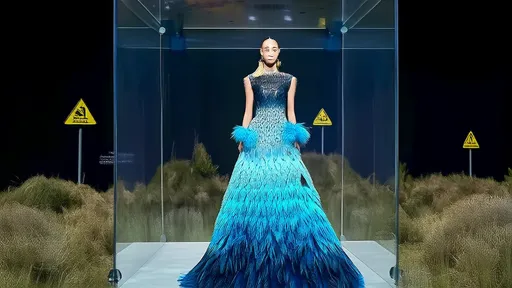
The fashion industry has long been synonymous with luxury, creativity, and opulence. Yet, beneath the shimmering surfaces of haute couture runways and glossy magazine spreads lies a darker narrative—one that involves the alarming decline of avian species due to the demand for exotic feathers. As conservationists sound the alarm on the irreversible damage caused by feather harvesting, the tension between high fashion and endangered species protection has reached a critical point.
For centuries, feathers have adorned the hats, gowns, and accessories of the elite. From the plumes of ostriches to the iridescent quills of peacocks, these natural embellishments have symbolized status and artistry. However, the relentless pursuit of rare and exotic feathers has pushed several bird species to the brink of extinction. The resplendent quetzal, once revered by ancient civilizations, now faces habitat destruction and illegal trapping, while the African grey parrot has seen its populations decimated by the pet trade and feather collectors.
The ethical dilemma is stark. On one hand, high fashion thrives on exclusivity and craftsmanship, often drawing inspiration from nature’s most breathtaking creations. On the other, conservationists argue that the industry’s appetite for rare materials is accelerating biodiversity loss. The Millennium Ecosystem Assessment reports that nearly 12% of bird species are threatened with extinction, many due to human activities, including overharvesting for decorative purposes. The question remains: Can the allure of haute couture coexist with the urgent need for wildlife preservation?
Some designers have begun to pivot toward sustainable alternatives, embracing synthetic materials or ethically sourced feathers. Brands like Stella McCartney and Gucci have publicly committed to cruelty-free practices, yet the broader industry lags behind. Critics argue that without binding regulations, voluntary measures are insufficient to curb the demand for endangered species. The CITES (Convention on International Trade in Endangered Species) has imposed restrictions on the trade of certain feathers, but enforcement remains inconsistent across borders.
The cultural significance of feathers cannot be overlooked. Indigenous communities, for instance, have used feathers in rituals and attire for generations, often with deep ecological awareness. Unlike the commercial fashion industry, many of these traditions emphasize sustainable harvesting and reverence for avian life. This contrast highlights a broader issue: the disconnect between modern consumerism and the natural world. As climate change exacerbates habitat loss, the survival of these species hinges on a collective shift in values—one that prioritizes preservation over aesthetics.
Public awareness campaigns and celebrity endorsements have helped spotlight the issue, but real change requires systemic action. Consumers wield considerable power; by demanding transparency and ethical sourcing, they can pressure brands to abandon harmful practices. Meanwhile, conservationists urge governments to strengthen wildlife protection laws and invest in habitat restoration. The clock is ticking for species like the helmeted hornbill, whose striking casque has made it a prime target for poachers.
The intersection of fashion and conservation is fraught with complexity, yet it also presents an opportunity for innovation. Bioengineered materials, such as lab-grown feathers or plant-based alternatives, could offer a compromise without sacrificing creativity. The challenge lies in scaling these solutions while maintaining the artistry that defines high fashion. For now, the fate of countless bird species hangs in the balance—a poignant reminder that beauty should never come at the cost of extinction.
In the dimly lit back room of an unassuming boutique in downtown London, a forensic expert kneels beside a bloodstained cashmere scarf, inhaling deeply. This isn't some macabre ritual—it's the cutting edge of crime scene investigation. The newly launched Scent Forensics Unit at Harrod's flagship store has pioneered an olfactory investigation technique that's rewriting the rules of retail security.
The rhythmic clatter of wooden looms once echoed through Kyoto's Nishijin district like a heartbeat, a sound woven into the city's cultural DNA for over twelve centuries. But these days, the heartbeat grows faint. Nishijin's legendary brocade – the dazzling Nishijin-ori textiles that adorned samurai and graced imperial courts – faces an existential crisis far more complex than any economic downturn. The real threat lies in a generational gamble unfolding in quiet weaving workshops: an aging master weaver glances at his empty tea cup, wondering if his intricate craft will die with him.
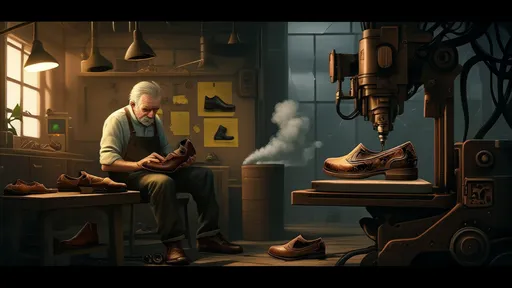
The cobbled streets of Italy’s historic shoemaking districts have long echoed with the rhythmic tapping of hammers and the quiet hum of artisans at work. For generations, the country’s shoemakers have prided themselves on crafting footwear by hand, each stitch and cut a testament to centuries of tradition. Yet today, that legacy faces an existential threat—not from globalization or fast fashion, but from an unexpected disruptor: 3D printing.
The narrow alleys of Jaipur’s old quarter hum with the rhythmic tapping of wooden blocks dipped in dye. For generations, artisans have practiced the ancient art of bandhani, the traditional Indian tie-dye technique that transforms plain fabric into intricate patterns. Yet today, the vibrant hues that once flowed from natural indigo, pomegranate peel, and turmeric are increasingly replaced by the synthetic blues and reds of chemical vats. This shift marks more than a change in materials—it threatens to unravel a cultural legacy woven into the very fabric of India’s identity.
The Scottish tartan, with its vibrant crisscrossing lines and rich hues, has long been a symbol of cultural identity and heritage. Yet beneath its colorful surface lies a simmering legal and ethical debate: when does the adoption of tartan patterns by global fashion houses and commercial entities cross the line from appreciation to appropriation? The so-called "Tartan Wars" have ignited discussions far beyond the Highlands, challenging legal frameworks and cultural sensitivities alike.
The fashion industry has long been synonymous with luxury, creativity, and opulence. Yet, beneath the shimmering surfaces of haute couture runways and glossy magazine spreads lies a darker narrative—one that involves the alarming decline of avian species due to the demand for exotic feathers. As conservationists sound the alarm on the irreversible damage caused by feather harvesting, the tension between high fashion and endangered species protection has reached a critical point.
In the intricate dance of power and perception, few accessories speak as loudly as the necklace. From the boardrooms of Manhattan to the royal courts of Europe, the length of a necklace has long been observed as a subtle yet potent indicator of authority. This unspoken sartorial code – what style insiders now call The Game of Necklaces: The Length Equals Power Rule – reveals how centimeters can translate into commanding presence.
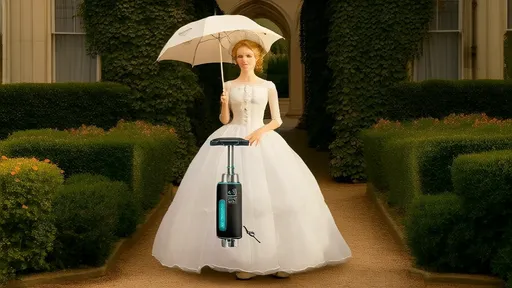
The fashion industry has always been a realm of illusion, where silhouettes are sculpted not just by fabric but by carefully engineered structures beneath. Among these hidden architectures, the volumetric fraud of inflatable skirt supports—cloaked in what designers coyly term "invisible technology"—has emerged as one of the most intriguing (and quietly controversial) innovations in contemporary couture. What began as a whimsical experiment in avant-garde ateliers has now infiltrated mainstream retail, leaving consumers and critics alike to grapple with the literal and metaphorical air at the heart of modern dressing.
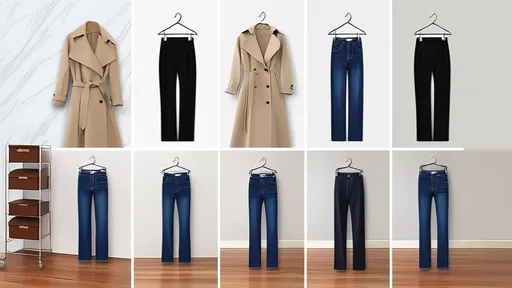
The concept of a capsule wardrobe has taken the fashion world by storm, offering a minimalist approach to style without sacrificing versatility. At its core, the idea revolves around owning fewer pieces that can be mixed and matched to create multiple outfits. But what happens when you push this philosophy to its absolute limit? Imagine having just two key items and making them work for seven days straight. It sounds impossible, yet with the right pieces and a dash of creativity, it’s entirely achievable.
The intersection of athletic wear and formal attire has long been a sartorial tightrope walk, but the recent trend of pairing basketball shorts with tailored blazers has emerged as a surprisingly viable hybrid. This unlikely marriage of comfort and sophistication challenges traditional dress codes while offering a fresh perspective on contemporary menswear. As workplaces relax their sartorial standards and streetwear continues to influence high fashion, this bold combination has gained traction among style-forward professionals and creatives alike.
The art of layering has long been a sartorial strategy for those who value both style and practicality. In the realm of fashion, mastering the five-layer challenge—from base garments to outerwear—requires a delicate balance between aesthetics and functionality. This nuanced approach to dressing isn't merely about piling on clothes; it's about creating harmony among textures, weights, and silhouettes while maintaining comfort throughout the day.
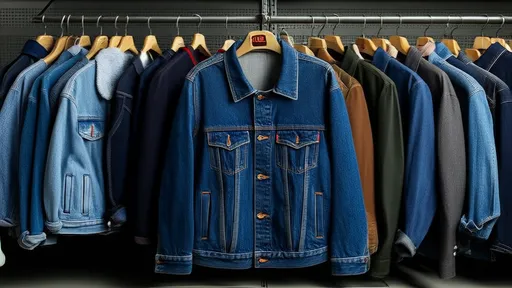
The world of denim has entered a new era of preservation and innovation with the launch of the Denim Jacket Gene Bank, an ambitious project dedicated to digitally archiving a century's worth of iconic jacket silhouettes. This groundbreaking initiative combines fashion history with cutting-edge technology, creating a living library that documents the evolution of denim outerwear from its workwear origins to its current status as a cultural symbol.
Fashion has always been about self-expression, but rarely has it ventured into the realm of true adaptability—until now. The latest innovation in women's apparel, the magnetic hemline adjustment for little black dresses (LBDs), is redefining versatility in wardrobe staples. This groundbreaking design allows wearers to modify their dress length effortlessly, transitioning from a daring mini to an elegant midi or even a sophisticated maxi with a simple magnetic clasp system. It’s not just a dress; it’s a chameleon that adapts to the wearer’s mood, occasion, and personal style.
The fashion industry has long been associated with aesthetics and self-expression, but a groundbreaking innovation is set to redefine the very purpose of outerwear. A revolutionary trench coat, embedded with an advanced drone defense system, is making waves in both tech and fashion circles. This isn’t just a garment—it’s a wearable shield designed for the modern world, where personal security meets cutting-edge technology.
The crisp white shirt has long been the uniform of corporate conformity – a sartorial symbol of professionalism that transcends industries and continents. But in boardrooms from Manhattan to Milan, a quiet revolution is unfolding as avant-garde designers and rebellious professionals reinterpret this workplace staple through the lens of asymmetric cutting.